
Our Philosophy
From the desk of Kevin Oldham
Where This Comes From
I grew up watching my mom run a skateboard shop for five years. She poured everything into creating Square One Skateboards. When it closed, there was nothing to show for any of it. No equity, buyer, or transition plan.

That experience broke something in me and fixed something at the same time. It made me focused about one question: Why do good businesses built by good people end up worth nothing when it's time to move on?
"A man must be big enough to admit his mistakes, smart enough to profit from them, and strong enough to correct them." - John C. MaxwelL
The Demons in the Basement
Every founder I've ever worked with is carrying something they don't talk about in pitch meetings or strategy sessions.
Maybe it's the fear that if they step back, the whole thing falls apart and proves they were never really building anything. Or it's the identity crisis of "if I'm not the person who runs this company, who am I?" Maybe it's the marriage that's strained, the health that's declining, or the kids who stopped asking when Dad's coming home because the answer was always "later."
I lived it.
Twenty-plus years in recovery taught me something most business books never will: you can't fix what you won't look at. The things you shove into the metaphorical basement don't stay there. They leak into every decision, relationship, and system you refuse to make/build because doing so would mean admitting you're not indispensable.
The founders who transform their businesses are the ones who are willing to look at the hard things first.
"FACT: there is no secret. There are no tricks or shortcuts on the path to personal success or business success."
The Cycle That's Keeping You Stuck
Here's what I see in almost every founder who comes to us:
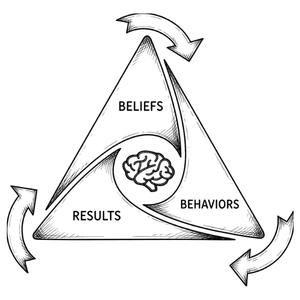
They built something real but the business stopped being the thing that gave them freedom and became the thing that held them hostage.
This kick-starts a negative belief cycle when we should be making incremental positive changes and using the same belief cycle to reinforce amazing behaviors and results.
How Transformation Actually Works
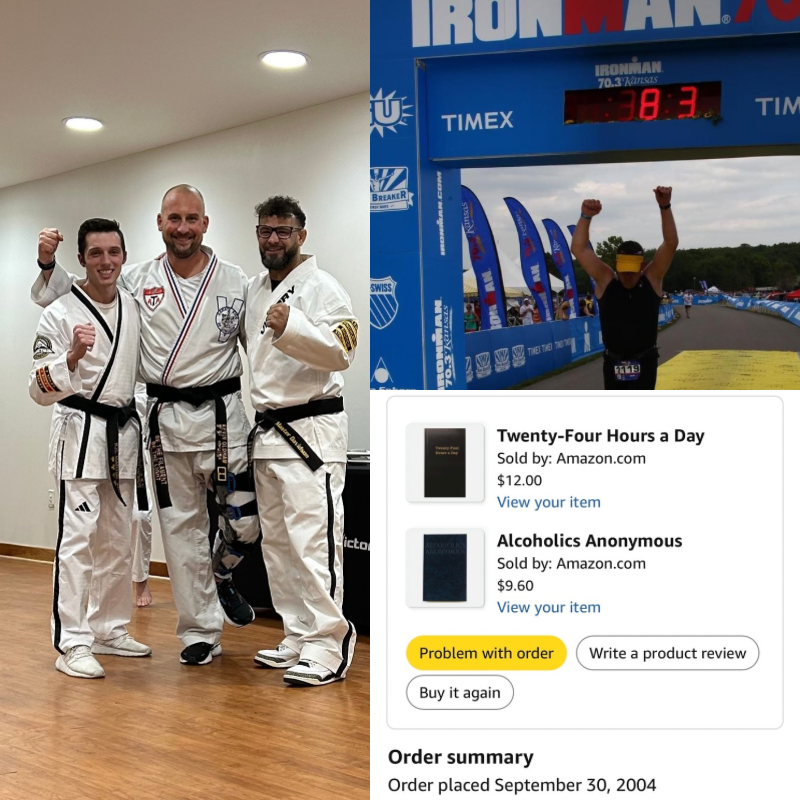
I've watched people transform their lives in recovery rooms, on martial arts mats, in locker rooms, and in boardrooms. The pattern is always the same. It comes down to three things.
Belief.
You have to believe change is possible. In a "someone who was exactly where I am actually made it to the other side" way. That's why we work specifically with founders. We've been the founder who was stuck.
A proven plan.
Inspiration without structure is just a good feeling that fades . You need a framework that's been tested on real businesses, with real outcomes, by people who've done it more than once. That's what the key drivers of value and the Value Acceleration Methodology we offer provides.
Accountability.
This is the one nobody wants to hear. You will not do the hard stuff alone at the level you would with us in your corner. You will avoid it, rationalize it, and convince yourself you'll get to it next month. You need someone in your corner who cares about you enough to tell you the truth and won't let you off the hook. That's precisely what we do.
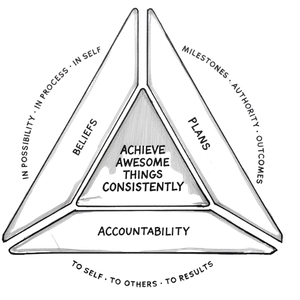
Those three things together, belief plus a proven plan plus accountability, is what we call the Triangle. It's the same structure that works in AA, in martial arts, in professional athletics, and in business transformation. The context changes. The principle doesn't.
"Changing your life or your business isn't about finding the right strategy. It's about finding the right combination of belief, a proven plan, and accountability."
The Proven Plans We Use
We believe in maybe over-credentialing. Some people collect stamps in their passports. We collect certifications, methodologies, and frameworks that work on real businesses with real founders.
We're Certified Exit Planning Advisors (CEPA), trained in the Value Acceleration Methodology through the Exit Planning Institute. That gives us the structured approach to help founders navigate the entire exit planning lifecycle, from initial assessment through transaction readiness. It's the industry standard for a reason: it works.
We're also exit planning specialists, using the key drivers of value framework built on data from over 80,000 business assessments worldwide. That's not a theory someone wrote in a book. That's a scoring system backed by real outcomes from real businesses, measuring exactly what makes a company transferable and what's keeping it stuck.
But we didn't stop there. We've layered in Lean Startup methodology for founders who need to build new revenue streams or test new models without betting the whole company. We pull from behavioral psychology, systems thinking, and operational frameworks we've developed ourselves through decades of building, buying, and advising businesses.
The point isn't the credentials themselves. The point is that we've spent years studying, testing, and integrating the best thinking available into something cohesive. We take proven frameworks from different disciplines and combine them into unique scenarios that fit your specific situation. No two founders get the same playbook because no two businesses have the same problems. But every playbook is built on tested, validated methodology rather than someone's gut feeling about what might work.
That's the "proven plan" part of the triangle. Not one plan. A full library of them, assembled from the best work being done in exit planning, value acceleration, lean operations, and behavioral change. Then tailored to the founder sitting across the table from us.
Where to Allocate Your "Give A Damns"
Not everything matters equally. One of the hardest things for founders is figuring out which work actually moves the needle versus which work just feels productive.

Here's what I've learned from building three companies, investing in 30+, and advising dozens more: there are exactly two categories of work. Work that reduces your business's dependency on you, and everything else.
That's it. Every decision, every hire, every system, every process should be evaluated through one filter: does this make the business more capable of running without me, or does it make me more essential?
Most founders spend 80% of their time on the second category without realizing it. They're building a more sophisticated version of the same trap. The work we do flips that ratio.
The Three Legs of the Stool
Your business doesn't exist in isolation. That's the first leg.
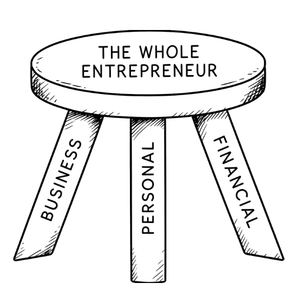
The second leg is personal. Your health, your relationships, your identity outside of work. If you're running yourself into the ground to build a company that's supposed to give you freedom, you've already lost the plot. This directly affects every business decision you make, whether you admit it or not.
The third leg is financial. Your personal financial picture, your retirement plan, your wealth outside the business. Most founders have 80% or more of their net worth locked inside a business that may or may not be sellable. That's not a wealth strategy. That's a single point of failure dressed up as an asset.
If any of these legs is broken, the whole thing wobbles.
A thriving business with a broken marriage isn't success. A great personal life funded by a business that's eating itself isn't sustainable. Financial security built on an unsellable asset isn't real. Most consultants only touch the first leg. We pay attention to all three because fixing one while ignoring the others just creates a different version of the same problem.
What We Actually Provide
Objectivity. That's the core of it. You can't read the label from inside the jar.
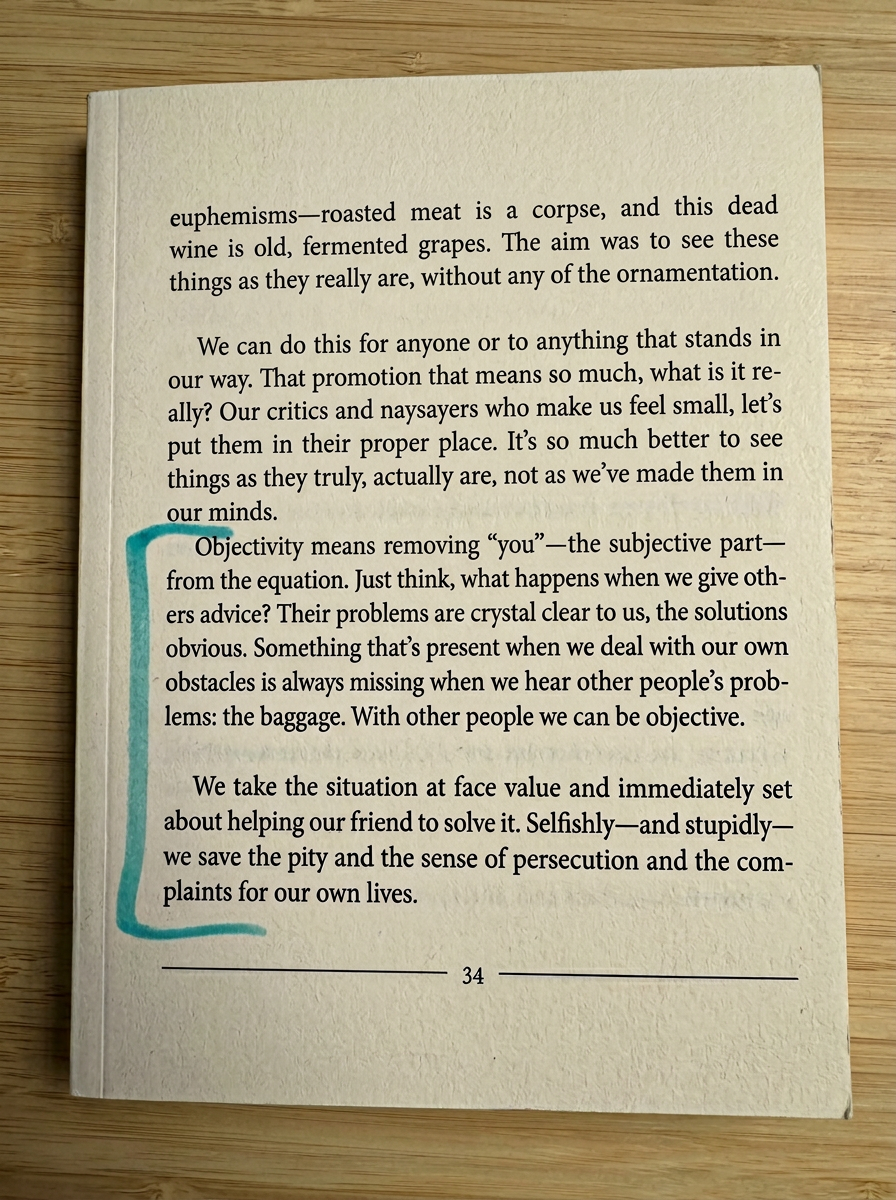
We provide the outside perspective that sees the things you've stopped noticing because you've been inside the business too long. We provide frameworks that have been tested on real businesses, not theories that sound good on a podcast. We provide accountability that doesn't let you hide from the hard decisions.
And we provide what I call unconditional tough love. We care about you enough to tell you what you don't want to hear. Not because we enjoy being difficult, but because the alternative is watching you stay stuck and pretending everything is fine. That's what bad advisors do. We're not bad advisors.
Why This Matters
80% of businesses listed for sale never sell. Most of them are exit-minded but not exit-ready. The founders wanted out but the business couldn't support the transition.
That means decades of work, risk, sacrifice, and relationship strain ends with nothing. No payout. No legacy. No transition to the next chapter. Just a closed door and a "what was it all for" conversation that nobody wants to have.
It doesn't have to be that way. But changing the outcome requires starting the work years before you're ready to leave. Not months. Years.
That's why we exist. To help founders either fall back in love with what they built or leave it on their own terms, with something to show for the work. Either outcome is a win. The only loss is staying stuck in the middle, too tired to keep going and too dependent to walk away.
The Mission
We're trying to prevent what happened to my mom from happening to other founders. That's it. That's the whole thing.
Every framework, every program, every conversation we have comes back to one question: when this founder is ready to move on, will there be something to show for the years they put in?
If the answer is yes, we did our job. If the answer is "they decided to stay and they love it again," that's just as good. The mission isn't to get people to sell. The mission is to give them a real choice.
"Let's go."
Ready to see where you stand?
Take the free value assessment. It scores your business across all the key drivers of value and shows you exactly where the gaps are. It takes about 13 minutes, and it's the starting point for every conversation we have.
Sincerely,

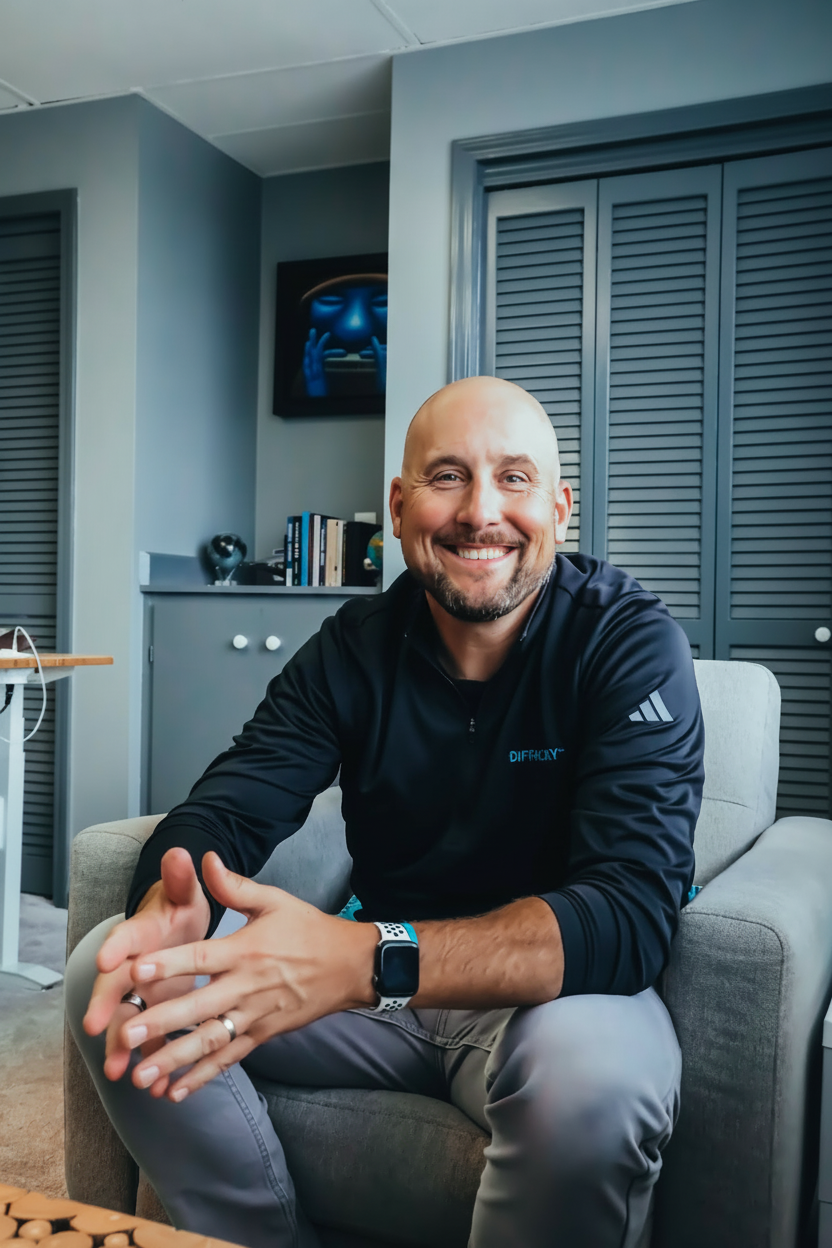
Kevin Oldham
Chief Value Accelerator, Diffactory